

Autor: karmaweb

  • Who Does the World Cup Belong To: FIFA, Investors or Football?

    Who Does the World Cup Belong To: FIFA, Investors or Football?

    At the end of July 2026, FIFA triggered a major governance crisis with a proposal to open part of the commercial business linked to the World Cup and other competitions to private investors through a new structure.

    The plan met fierce resistance and was withdrawn on 31 July. The specific transaction was stopped, but the question it raised remains: is the World Cup a commercial asset that can be treated like any other business, or shared football heritage that requires a higher level of public and institutional responsibility?

    What was FIFA proposing?

    According to publicly reported details, FIFA Forward Enterprise was intended to bring together commercial rights connected to FIFA competitions, including the men’s and women’s World Cups and the Club World Cup. Outside investors were expected to contribute around $4.2 billion for a stake of up to 20 per cent in a business valued at roughly $20 billion.

    FIFA argued that it would retain control of football governance and that additional capital could generate greater revenues and more funding for football development. Gianni Infantino described the project as a proposal to be consulted on rather than a binding decision.

    Why did FSE oppose it?

    Football Supporters Europe responded by arguing that the World Cup is not simply a commercial product. Its concern was not only about the size of an ownership stake, but about a change in the logic behind decision-making.

    A private investor has a legitimate duty to seek a financial return. When that interest is built into the structure of football’s biggest competitions, FSE warns that the pressure to maximise revenue can translate into more expensive tickets, more content behind paywalls, higher broadcasting costs and further commercialisation of the event itself.

    The issue, therefore, is not whether investors are inherently “good” or “bad”. The question is what happens when the pursuit of financial return becomes structurally embedded in a sporting and cultural event of global significance.

    The plan was withdrawn — so why does this analysis still matter?

    Because cancelling one proposal does not close the debate. FIFA still controls enormous commercial rights and its biggest tournaments continue to grow in scale and cost. The pressure to increase revenue will not disappear.

    At the same time, the reaction to FIFA Forward Enterprise showed that the football community expects a much higher standard of transparency when decisions are made about assets and rights capable of reshaping the entire ecosystem of the game.

    FSE has called for minimum governance standards including transparency, financial solidarity, stakeholder consultation, human-rights protections and clear accountability.

    Where does the supporter fit into this?

    Supporters are not sitting at the table when billions are negotiated. Yet their tickets, travel, subscriptions and attention make up a significant part of the value those commercial rights possess.

    If a new business model results in more expensive access to matches, more paywalls or competitions increasingly designed around commercial requirements, the consequences are transferred directly to the people who provide football with its atmosphere, identity and continuity.

    Capital is not football’s enemy

    Professional football cannot function without money. Investment can finance stadiums, academies, technology, marketing and international development.

    That is why a serious debate should not end with the slogan “no investors”. The real questions are about limits: who has the final say, how transparent are the agreements, what is protected from pure commercialisation, and how much of the value created is reinvested in football?

    COLORS view

    For COLORS, the World Cup cannot be treated as an ordinary company whose only measure of success is its market value. It is undeniably a huge business, but it also belongs to football history, national teams, communities and generations of supporters.

    Private capital can have a place in football. But control over the game’s fundamental rules, major competitions and long-term direction must remain subject to clear institutional accountability and the voice of football stakeholders — including supporters.

    Source: Football Supporters Europe, “FOOTBALL BELONGS TO THE FANS, NOT PRIVATE INVESTORS”, 30 July 2026. Additional factual verification: Reuters, 29 July–September 2026. The FIFA Forward Enterprise proposal was withdrawn on 31 July 2026.

    Photo/visual: Football Supporters Europe (FSE).
  • Čije je Svjetsko prvenstvo: FIFA-e, investitora ili fudbala?

    Čije je Svjetsko prvenstvo: FIFA-e, investitora ili fudbala?

    Krajem jula 2026. FIFA je izazvala snažan potres u svjetskom fudbalu prijedlogom da kroz novu komercijalnu strukturu otvori dio poslovanja povezanog sa Svjetskim prvenstvom i drugim takmičenjima privatnim investitorima.

    Plan je vrlo brzo naišao na otpor i 31. jula je povučen. Time je zaustavljena konkretna transakcija, ali nije nestalo pitanje koje je otvorila: je li Svjetsko prvenstvo komercijalna imovina kojom se može trgovati poput bilo kojeg drugog biznisa ili zajedničko fudbalsko naslijeđe nad kojim mora postojati posebna javna i institucionalna odgovornost?

    Šta je FIFA predlagala?

    Prema javno objavljenim informacijama, FIFA Forward Enterprise trebao je objediniti komercijalna prava vezana uz FIFA-ina takmičenja, uključujući muško i žensko Svjetsko prvenstvo i Svjetsko klupsko prvenstvo. Razmatrano je da vanjski investitori ulože oko 4,2 milijarde dolara za udio do 20 posto u poslovanju procijenjenom na približno 20 milijardi dolara.

    FIFA je tvrdila da bi zadržala kontrolu nad samim fudbalskim upravljanjem i da bi dodatni kapital omogućio veće prihode i ulaganja u razvoj fudbala. Gianni Infantino je plan opisivao kao prijedlog koji treba proći konsultacije, a ne kao gotovu obavezujuću odluku.

    Zašto se FSE usprotivio?

    Football Supporters Europe reagovao je stavom da Svjetsko prvenstvo nije samo komercijalni proizvod. Njihov strah nije bio samo pitanje vlasničkog procenta, nego promjena logike odlučivanja.

    Privatni investitor ima legitimnu obavezu prema vlastitim ulagačima: traži povrat kapitala. Kada takav interes uđe u samu strukturu najvećih fudbalskih takmičenja, FSE upozorava da pritisak na povećanje prihoda može značiti skuplje ulaznice, više sadržaja iza paywalla, veće troškove televizijskih prava i dodatnu komercijalizaciju događaja.

    Drugim riječima, pitanje nije jesu li investitori „dobri“ ili „loši“. Pitanje je šta se događa kada se interes za maksimalni finansijski povrat ugradi u sistem koji upravlja sportskim i kulturnim događajem globalnog značaja.

    Plan je povučen — zašto onda ova analiza?

    Zato što povlačenje jednog prijedloga ne zatvara temu. FIFA i dalje upravlja ogromnim komercijalnim pravima, a najveća svjetska takmičenja postaju sve veća i skuplja za organizaciju. Pritisak za rast prihoda neće nestati.

    Istovremeno, reakcija na FIFA Forward Enterprise pokazala je da fudbalska zajednica očekuje mnogo viši nivo transparentnosti kada se odlučuje o imovini i pravima koja mogu uticati na cijeli ekosistem igre.

    FSE traži minimalne standarde koji uključuju transparentnost, finansijsku solidarnost, konsultacije sa stakeholderima, zaštitu ljudskih prava i jasnu odgovornost donosilaca odluka.

    Gdje je tu navijač?

    Navijač ne sjedi za stolom kada se pregovara o milijardama. Ipak, upravo navijač kroz ulaznicu, putovanje, pretplatu i pažnju čini veliki dio vrijednosti koju komercijalna prava imaju.

    Ako novi poslovni model znači skuplji pristup utakmici, više paywalla ili takmičenja oblikovana prvenstveno prema komercijalnim zahtjevima, posljedice se direktno prebacuju na ljude koji igri daju atmosferu, identitet i kontinuitet.

    Kapital nije neprijatelj fudbala

    Profesionalni fudbal bez novca ne može funkcionisati. Investicije mogu donijeti stadione, razvoj omladinskih pogona, tehnologiju, bolji marketing i međunarodni rast.

    Zato ozbiljna rasprava ne treba završiti sloganom „bez investitora“. Pravo pitanje je gdje su granice: ko ima posljednju riječ, koliko su ugovori transparentni, šta je zaštićeno od čiste komercijalizacije i koliki dio stvorene vrijednosti vraća se fudbalu.

    COLORS pogled

    Za COLORS, Svjetsko prvenstvo ne može biti tretirano kao obična kompanija čiji je jedini kriterij vrijednost na tržištu. Ono jeste ogroman biznis, ali istovremeno pripada istoriji, zajednicama, reprezentacijama i generacijama navijača.

    Privatni kapital može imati mjesto u fudbalu. Ali kontrola nad temeljnim odlukama, pravilima i budućnošću najvećih takmičenja mora ostati pod jasnom institucionalnom odgovornošću i uz glas fudbalskih stakeholdera — uključujući navijače.

    Izvor: Football Supporters Europe, „FOOTBALL BELONGS TO THE FANS, NOT PRIVATE INVESTORS“, 30. juli 2026. Dodatna provjera činjenica: Reuters, 29. juli–septembar 2026. FIFA Forward Enterprise prijedlog povučen je 31. jula 2026.

    Foto/vizual: Football Supporters Europe (FSE).
  • What Is Dynamic Pricing and Why Does FSE Want It Banned?

    What Is Dynamic Pricing and Why Does FSE Want It Banned?

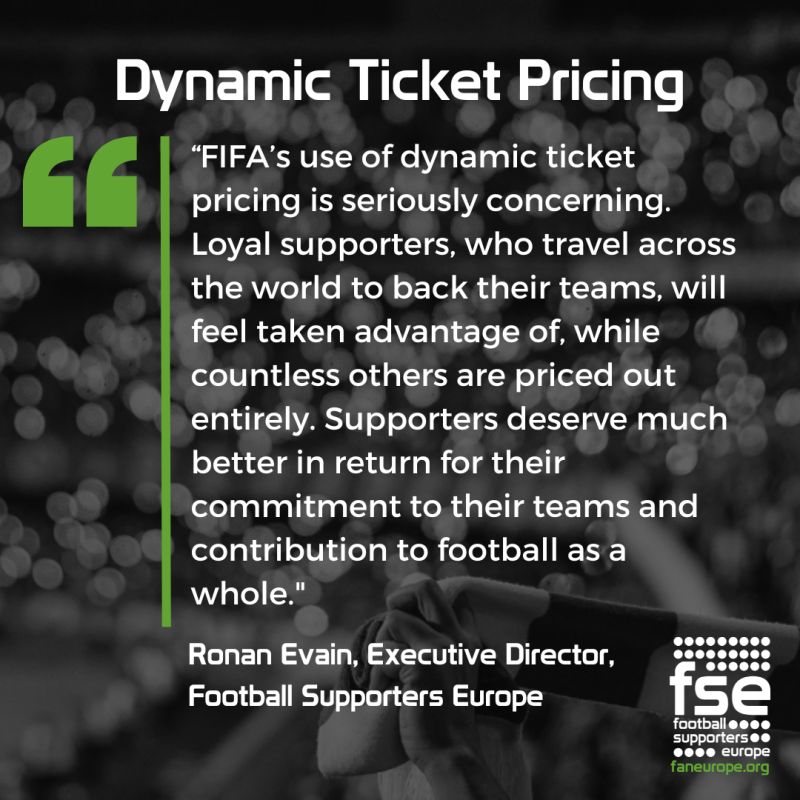
    One seat in the stadium. The same match. The same view of the pitch. Yet the ticket can cost a completely different amount depending on when you buy it and how many other people are trying to do the same.

    That is the basic idea behind dynamic pricing — a system in which prices change in real time according to demand. Football Supporters Europe (FSE) argues that in football this is not merely expensive; it is fundamentally unfair to supporters.

    How does dynamic pricing work?

    With traditional ticketing, a club or organiser sets the price in advance. Under dynamic pricing, an algorithm can raise or lower the price according to demand, remaining inventory, the timing of a purchase or other criteria used by the seller.

    This model already exists in aviation, hotels and other sectors. According to FSE, the problem begins when the same logic is applied to football.

    Why is football not an ordinary market?

    A supporter does not have a genuine substitute for their club. If they want to attend a particular match, they cannot simply choose another seller offering the same event at a lower price. There is one match, one kick-off time and usually one official seller.

    High demand therefore does not mean the product has improved. The seat is the same and the match is the same — only the price has risen because many people want to attend.

    FSE argues that dynamic pricing can turn supporter loyalty into a mechanism for extracting the maximum possible price: the more important the match and the more committed the supporter, the greater the opportunity to charge more.

    Why does the World Cup matter?

    The debate became particularly urgent because FIFA used what it described as “variable pricing” for tickets to the 2026 World Cup. FSE and consumer organisations have argued that where demand is enormous and supporters have no alternative, buyers have almost no bargaining power.

    The secondary market is another concern. FSE also supports a ban on ticket resale above face value, arguing that match tickets should not become speculative assets.

    What is FSE asking for?

    FSE, together with Euroconsumers, Live DMA and other partners, is calling on the European Commission to ban dynamic ticket pricing for live entertainment through the forthcoming Digital Fairness Act.

    The demand is not that every seat must cost the same. Different stands, seat categories or pre-defined price bands can legitimately have different prices. The key distinction is that supporters should know the price in advance and should not see it rise simply because demand surges while they are trying to buy.

    What could this mean for supporters in the Balkans?

    Dynamic pricing is not yet the standard ticketing model at most stadiums in our region, but the digitalisation of ticket sales makes such systems increasingly easy to introduce.

    That is why the debate should happen before the practice becomes normal. Clubs have a legitimate interest in increasing revenue, but supporters should know the price in advance, understand how it was set and be protected from systems that treat loyalty as unlimited willingness to pay.

    COLORS view

    Digital ticketing can make stadium access safer and more efficient. But technology is not inherently fair or unfair — the rules governing its use are what matter.

    A simple principle is a good starting point: the price of a ticket should be clear before a supporter joins the queue to buy it. If two supporters can pay dramatically different amounts for the same seat simply because an algorithm estimates what each is willing to pay, transparency has been seriously weakened.

    Source: Football Supporters Europe, “Why FSE is calling for a ban on dynamic pricing in live entertainment including football”, 23 July 2026.

    Photo/visual: Football Supporters Europe (FSE).
  • Šta je dynamic pricing i zašto FSE traži da se zabrani?

    Šta je dynamic pricing i zašto FSE traži da se zabrani?

    Jedno mjesto na stadionu. Ista utakmica. Isti pogled na teren. Ali cijena ulaznice može biti potpuno drugačija zavisno od trenutka kada je kupuješ i koliko drugih ljudi pokušava učiniti isto.

    To je suština dynamic pricinga — modela u kojem se cijena mijenja u realnom vremenu prema potražnji. Football Supporters Europe (FSE) smatra da takav sistem u fudbalu nije samo skup nego i suštinski nepravedan prema navijačima.

    Kako dynamic pricing radi?

    U klasičnoj prodaji klub ili organizator unaprijed odredi cijenu ulaznice. Kod dinamičkog određivanja cijena algoritam može podizati ili spuštati cijenu u zavisnosti od potražnje, broja preostalih ulaznica, trenutka kupovine ili drugih parametara koje prodavač koristi.

    Takav model postoji u avioindustriji, hotelima i drugim sektorima. Problem, prema FSE-u, nastaje kada se ista logika prenese na fudbal.

    Zašto fudbal nije obična tržišna roba?

    Navijač svog kluba nema stvarnu alternativu. Ako želi gledati određenu utakmicu, ne može otići kod drugog prodavača i kupiti isti događaj jeftinije. Postoji samo jedna utakmica, jedan termin i najčešće jedan zvanični kanal prodaje.

    Zbog toga visoka potražnja ne znači da je proizvod postao bolji. Sjedište je isto, utakmica je ista — samo je cijena veća zato što mnogo ljudi želi prisustvovati.

    FSE zato smatra da dynamic pricing može pretvoriti navijačku odanost u mehanizam za izvlačenje maksimalne cijene: što je utakmica važnija i što je navijač spremniji otići na nju, veća je mogućnost da će platiti više.

    Zašto je Svjetsko prvenstvo važan primjer?

    Rasprava je posebno zaoštrena zbog FIFA-inog korištenja modela „variable pricing“ za ulaznice Svjetskog prvenstva 2026. FSE i potrošačke organizacije upozoravaju da kod događaja s ogromnom i unaprijed zagarantovanom potražnjom navijači praktično nemaju pregovaračku moć.

    Dodatni problem je sekundarno tržište. FSE se protivi i preprodaji ulaznica iznad nominalne cijene jer smatra da ulaznica za utakmicu ne treba postati špekulativna imovina.

    Šta FSE konkretno traži?

    FSE se zajedno s Euroconsumersom, Live DMA i drugim partnerima zalaže da Evropska komisija u okviru budućeg Digital Fairness Acta zabrani dynamic ticket pricing za događaje uživo.

    Njihov zahtjev nije da sve ulaznice moraju imati istu cijenu. Različite tribine, kategorije sjedišta ili unaprijed definisani cjenovni razredi mogu imati različite cijene. Ključna razlika je da navijač unaprijed zna koliko nešto košta i da se cijena ne podiže samo zato što je potražnja naglo porasla.

    Šta to znači za navijače na Balkanu?

    Dynamic pricing još nije standardni model na većini naših stadiona, ali digitalizacija prodaje ulaznica znači da tehnički postaje sve lakše primijeniti takve sisteme.

    Zato je važno razgovarati o pravilima prije nego što praksa postane uobičajena. Klubovi imaju legitimno pravo povećavati prihode, ali navijač mora znati cijenu unaprijed, razumjeti kako je formirana i imati zaštitu od sistema koji njegovu lojalnost tretira kao neograničenu platežnu sposobnost.

    COLORS pogled

    Digitalna prodaja ulaznica može stadion učiniti pristupačnijim i sigurnijim. Ali tehnologija sama po sebi nije ni pravedna ni nepravedna — presudna su pravila po kojima se koristi.

    Za nas je jednostavan princip dobar početak: cijena ulaznice treba biti jasna prije nego što navijač stane u red za kupovinu. Ako dva navijača za isto mjesto u isto vrijeme mogu platiti drastično različite iznose samo zato što algoritam procjenjuje koliko su spremni dati, onda je transparentnost ozbiljno narušena.

    Izvor: Football Supporters Europe, „Why FSE is calling for a ban on dynamic pricing in live entertainment including football“, 23. juli 2026.

    Foto/vizual: Football Supporters Europe (FSE).
  • Supporters Demand FIFA Reform: Infantino Is the Problem, but the System Is Bigger

    Supporters Demand FIFA Reform: Infantino Is the Problem, but the System Is Bigger

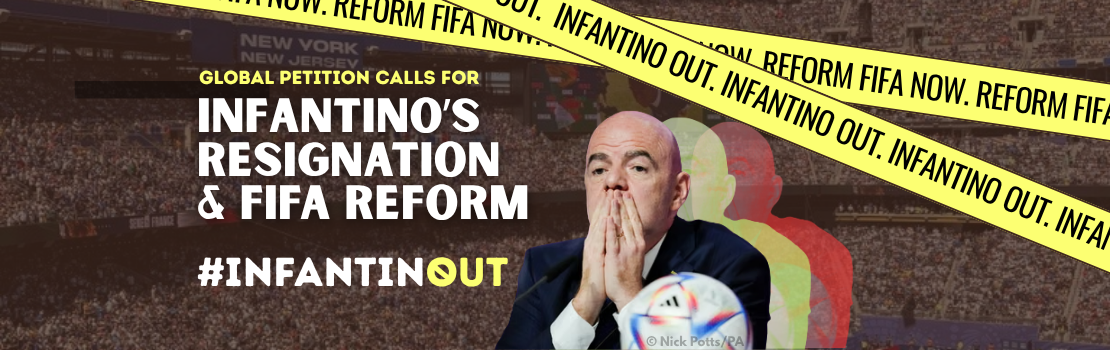
    A global coalition of supporter organisations has launched the #InfantinOUT campaign and a petition calling for FIFA President Gianni Infantino to resign. Football Supporters Europe (FSE) is among the organisations behind the initiative, but its message goes beyond one individual: it is also demanding fundamental reform of the way world football is governed.

    The immediate backdrop is the crisis surrounding FIFA Forward Enterprise, a proposal that would have brought private investors into commercial rights linked to the World Cup and other FIFA competitions. The plan was abandoned at the end of July 2026 after strong opposition, but it raised a wider question: how transparent is decision-making at FIFA, who scrutinises it, and where is the supporter voice in that system?

    What is the global supporter coalition asking for?

    In its statement of 20 August, FSE says supporter organisations from around the world are not simply seeking a change of FIFA president. Their central concern is the concentration of power and the lack of accountability around decisions capable of reshaping world football.

    The reform demands include greater transparency around major decisions, meaningful consultation with confederations, associations, leagues, clubs, players and supporters, formal supporter involvement in decision-making, stronger checks on executive power and more independent oversight.

    The coalition also argues that revenues generated by football should remain within the football ecosystem and serve the game’s development rather than being structured primarily around the expectations of outside investors.

    Why would changing the president not be enough?

    Replacing one person does not solve a governance problem if the same institutional structure allows the next president to exercise power in the same way. That is why the second half of the campaign — reforming FIFA — is more important than it may initially appear.

    In a healthy governance model, the crucial question is not only who leads the organisation, but whether there are clear rules, published information, independent controls and an obligation to consult those affected by major decisions.

    For supporters, that matters when governing bodies decide ticketing policies, competition formats, match locations, commercial rights or the future structure of the World Cup.

    What is FIFA’s side of the argument?

    During the debate over FIFA Forward Enterprise, Infantino described the plan as a proposal within a consultation process rather than a binding decision. He also argued that FIFA would retain control of football governance and that supporters would remain central to the game.

    The proposal was nevertheless withdrawn on 31 July after strong opposition from parts of the international football community.

    The controversy has continued. In early September, FIFA confirmed that Infantino still intends to seek another term in the March 2027 election, while calls for greater transparency and scrutiny of how the abandoned project was developed remain unresolved.

    Why is this a supporters’ rights issue?

    The election of a FIFA president can feel remote from the supporter going to a stadium on a Saturday. But decisions made at the top of world football shape ticket prices, tournament formats, the number of matches, commercial policies and the way football revenues are distributed.

    If supporters live with the consequences of those decisions, it is reasonable to expect an institutional channel through which they are heard before those decisions become faits accomplis.

    COLORS view

    For COLORS, the most important part of this story is the demand for systemic reform. Focusing everything on Infantino may attract attention, but the long-term question is more fundamental: who holds the people who govern football to account?

    Supporters do not need to run FIFA in order to have a legitimate claim to transparency, consultation and accountability. But if the biggest decisions about the game are repeatedly made without them, the phrase “football belongs to the supporters” becomes little more than a slogan.

    Source: Football Supporters Europe, “ADD YOUR VOICE: A GLOBAL COALITION OF FOOTBALL SUPPORTERS LAUNCHES A WORLDWIDE PETITION CALLING FOR GIANNI INFANTINO TO RESIGN AND FOR FUNDAMENTAL FIFA REFORM”, 20 August 2026. Additional factual verification: Reuters, July–September 2026.

    Photo/visual: Football Supporters Europe (FSE).
  • Navijači traže reformu FIFA-e: Infantino je problem, ali sistem je veći problem

    Navijači traže reformu FIFA-e: Infantino je problem, ali sistem je veći problem

    Globalna koalicija navijačkih organizacija pokrenula je kampanju #InfantinOUT i peticiju kojom traži ostavku predsjednika FIFA-e Giannija Infantina. Football Supporters Europe (FSE) je među organizacijama koje stoje iza inicijative, ali njihova poruka ne završava na imenu jednog čovjeka: traži se i temeljna promjena načina na koji se svjetskim fudbalom upravlja.

    Povod je bila kriza oko projekta FIFA Forward Enterprise, kroz koji je FIFA razmatrala ulazak privatnih investitora u komercijalna prava povezana sa Svjetskim prvenstvom i drugim takmičenjima. Plan je nakon snažnog otpora povučen krajem jula 2026, ali je otvorio pitanje koliko su odluke unutar FIFA-e transparentne, ko ih kontroliše i gdje je u tom sistemu glas navijača.

    Šta traži globalna navijačka koalicija?

    U saopćenju od 20. augusta FSE navodi da organizacije iz više dijelova svijeta ne traže samo promjenu predsjednika FIFA-e. Za njih je centralni problem koncentracija moći i nedostatak odgovornosti u procesu donošenja odluka koje mogu promijeniti strukturu svjetskog fudbala.

    Među ključnim zahtjevima su veća transparentnost velikih odluka, stvarne konsultacije sa konfederacijama, savezima, ligama, klubovima, igračima i navijačima, formalno uključivanje navijača u procese odlučivanja, jače kontrole izvršne vlasti i nezavisniji mehanizmi nadzora.

    Posebno se insistira na tome da prihodi koje fudbal stvara ostanu u sistemu fudbala i služe njegovom razvoju, umjesto da budu organizovani prvenstveno prema očekivanjima vanjskih investitora.

    Zašto nije dovoljno samo promijeniti predsjednika?

    Smjena jedne osobe ne rješava problem ako isti sistem omogućava sljedećem predsjedniku da odlučuje na isti način. Upravo zato je važan drugi dio kampanje: reforma institucije.

    U zdravom modelu upravljanja nije presudno ko je na vrhu, nego postoje li jasna pravila, objavljene informacije, kontrolni mehanizmi i obaveza konsultovanja onih na koje odluke utiču. Za navijače je to posebno važno kada se odlučuje o cijenama ulaznica, formatima takmičenja, mjestima odigravanja utakmica, komercijalnim pravima ili budućnosti Svjetskog prvenstva.

    Šta kaže druga strana?

    Infantino je tokom rasprave o FIFA Forward Enterprise projektu tvrdio da je riječ o prijedlogu u okviru konsultativnog procesa, a ne obavezujućoj odluci, te da bi FIFA zadržala kontrolu nad fudbalskim takmičenjima. Projekat je ipak povučen 31. jula nakon snažnog protivljenja dijela međunarodne fudbalske zajednice.

    Kontroverza se time nije završila. Početkom septembra FIFA je potvrdila da Infantino i dalje namjerava tražiti novi mandat na izborima u martu 2027. Istovremeno, pritisak za veću transparentnost i provjeru načina na koji je projekat pripreman ostao je otvoren.

    Zašto je ovo tema prava navijača?

    Na prvi pogled, izbor predsjednika FIFA-e djeluje daleko od navijača koji vikendom ide na stadion. Ali upravo odluke najviših fudbalskih institucija određuju cijene ulaznica, format velikih turnira, broj utakmica, komercijalna pravila i način na koji se prihod raspoređuje.

    Ako navijači snose posljedice tih odluka, legitimno je tražiti da imaju i institucionalni kanal kroz koji će biti saslušani prije nego što odluke postanu gotova stvar.

    COLORS pogled

    Za COLORS je najvažniji dio ove priče upravo zahtjev za sistemskom reformom. Personaliziranje problema na Infantina može privući pažnju, ali dugoročno je važnije pitanje: ko kontroliše one koji upravljaju fudbalom?

    Navijači ne moraju voditi FIFA-u da bi imali pravo na transparentnost, konsultacije i odgovornost. Ali ako se najveće odluke o igri donose bez njih, onda izraz „fudbal pripada navijačima“ ostaje samo slogan.

    Izvor: Football Supporters Europe, „ADD YOUR VOICE: A GLOBAL COALITION OF FOOTBALL SUPPORTERS LAUNCHES A WORLDWIDE PETITION CALLING FOR GIANNI INFANTINO TO RESIGN AND FOR FUNDAMENTAL FIFA REFORM“, 20. august 2026. Dodatna provjera činjenica: Reuters, juli–septembar 2026.

    Foto/vizual: Football Supporters Europe (FSE).
  • Germany’s 50+1 Model: Club Members Retain the Majority of Voting Rights

    Germany’s 50+1 Model: Club Members Retain the Majority of Voting Rights

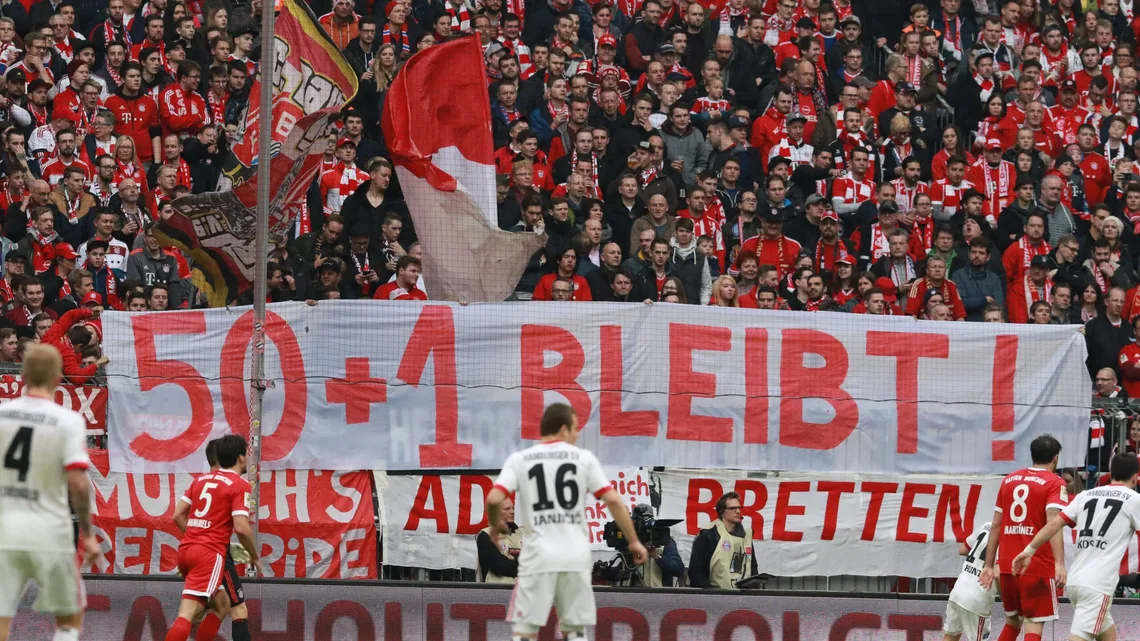
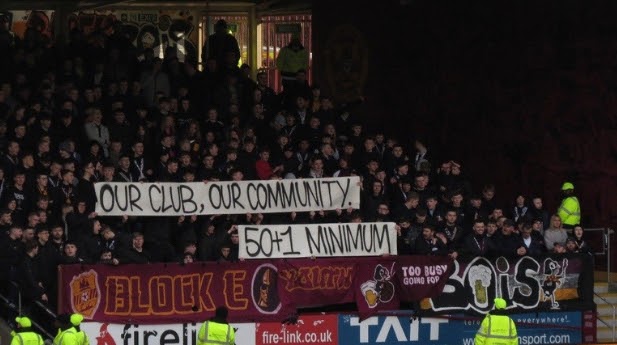
    Germany’s model of football-club governance has received another strong institutional endorsement. On 12 August 2026, the Bundesliga announced that Germany’s Federal Cartel Office, after a multi-year review, had no fundamental objection to the core principle of the 50+1 rule.

    The rule is designed to ensure that club members retain a majority of voting rights even when the professional football operation is run through a separate company and receives private investment.

    What does 50+1 mean?

    The name refers to at least 50 per cent plus one vote. The member association representing the parent club must retain the majority of voting rights in the company that operates the professional team.

    Private investors can contribute capital and own a significant economic stake, but they should not obtain majority control over decision-making.

    The aim is not to remove private capital from football entirely. The aim is to prevent one individual or company from taking over a club and making key decisions without the consent of its members.

    Why was the rule legally reviewed?

    The 50+1 rule has repeatedly been challenged on the grounds that it may restrict competition and treat clubs differently.

    In 2018, the German Football League asked the Federal Cartel Office to examine whether the rule complied with competition law. The process lasted more than eight years.

    In its final assessment in August 2026, the authority raised no fundamental objection to the core rule. It accepted that preserving club identity and allowing the broader public to participate in governance through membership can justify special treatment compared with ordinary market rules.

    However, not every issue has been resolved. Particular attention remains on transparency, consistent application of the rule and existing exceptions. The Bundesliga and clubs from the first and second divisions now need to find solutions that provide greater legal certainty.

    How does the model work in practice?

    German clubs can place their professional teams in corporate entities, sell shares and attract investors. Nevertheless, the parent club — and therefore its members — must retain control over voting rights.

    Legal structures differ from club to club. The common principle is that an investor should not be able to take unilateral control of the club.

    There are also historical exceptions linked to companies that supported certain clubs for decades. These exceptions are among the most controversial parts of the system because they raise the question of whether the rule is applied equally to everyone.

    What does 50+1 give supporters?

    The rule gives club members an institutional mechanism for influence. Depending on the club’s statutes, members can participate in general assemblies, elect club bodies and influence the strategic direction of the club.

    This creates a barrier to a complete takeover by a private owner and helps preserve the club’s identity, traditions and connection with its local community.

    Membership alone, however, is not enough. The real influence of supporters depends on the statutes, the quality of internal democracy, management transparency and the genuine ability of members to hold leadership to account.

    What does 50+1 not guarantee?

    The rule does not guarantee good governance, sporting success, financial stability or low ticket prices.

    A club can formally comply with 50+1 while still having closed management structures, weak communication with members or opaque business decisions. A democratic structure has value only if members have access to information and a real opportunity to participate in decision-making.

    The model should therefore not be romanticised. Its greatest value is not that it automatically solves every problem, but that it creates institutional protection against the complete concentration of power in the hands of a single owner.

    Could the model work in the Balkans?

    Simply copying the name “50+1” would not be enough. For a similar system to make sense in Balkan football, clubs would need:

    • clearly defined and accessible membership;
    • a reliable membership register;
    • democratic and regular general assemblies;
    • public rules for electing club bodies;
    • transparent financial reports;
    • protection from political and business capture;
    • real mechanisms for holding management accountable to members.

    Without those elements, the rule could easily become decoration while the same interest groups continued to control clubs behind the scenes.

    The lesson of the German model

    The most important message of 50+1 is not that investors are unnecessary. Professional football needs capital.

    The message is that investment does not have to mean surrendering the club’s entire identity and control. It is possible to make room for capital while preserving the club as an institution of its members and community.

    For Balkan football, this is an important debate. The key question is not only who finances a club, but who has the right to decide its future.

    Sources: Bundesliga — “Bundesliga welcomes Federal Cartel Office’s statement regarding 50+1 rule”, 12 August 2026; Bundesliga — “Explaining the Bundesliga’s 50+1 rule”.

    Photo: LakoPress/imago | Source: Bundesliga.

  • Grbavica 2.0: Digital Transformation and Supporters’ Rights — What You Need to Know

    Grbavica 2.0: Digital Transformation and Supporters’ Rights — What You Need to Know

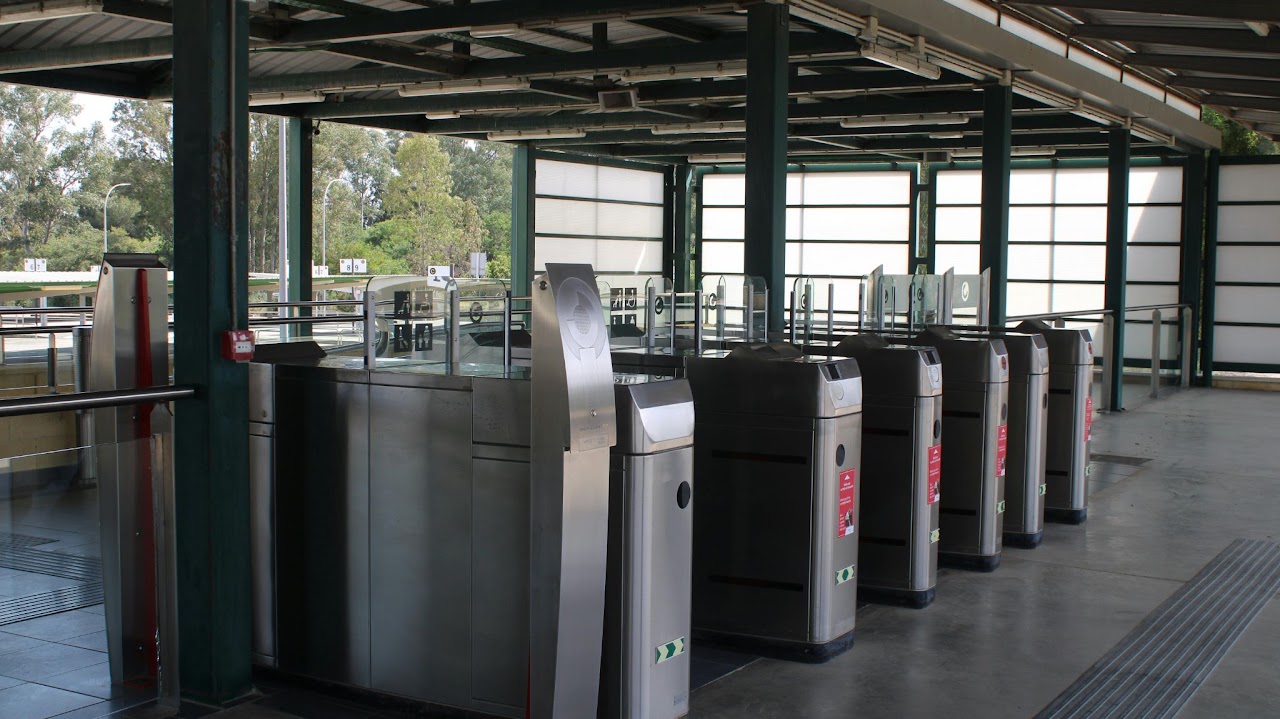
    The announcement of a strategic partnership between FK Željezničar and Tixbase marks Grbavica Stadium’s entry into a new era. The introduction of digital ticketing, blockchain infrastructure and advanced access-control systems is not only a technological step forward; it also changes the way supporters will enter the stadium.

    As a platform dedicated to supporter culture, COLORS examines the announced changes with particular attention to visitors’ rights, data privacy and the supporter experience.

    What is blockchain ticketing?

    Unlike a traditional paper or PDF ticket, a ticket in a blockchain-based system can be recorded as a unique digital entry. Such a system can make counterfeiting more difficult and enable ticket transfers to be tracked.

    Possible solutions include:

    • Dynamic QR codes — the code in the app changes periodically, making copied screenshots of tickets harder to use.
    • Digital wallet — the ticket is linked to a user profile and can allow a controlled transfer to another person.

    FK Željezničar has not yet published all technical details of the final system, so these should be viewed as possible models rather than confirmed features.

    COLORS’ position: security without repression

    COLORS believes technology should serve supporters, not become a tool for unjustified surveillance.

    More efficient entry can reduce queues and congestion around the stadium. Controlled ticket sales and transfers can make unauthorised resale more difficult, while modern identification systems should focus on individual responsibility rather than collective punishment of entire stands.

    Privacy protection — supporters’ rights

    Moving to a digital system involves the processing of personal data. Supporters therefore need to be clearly informed in advance:

    • which data are collected;
    • for what purpose they are processed;
    • how long they are retained;
    • who can access them;
    • whether the data are shared with other companies or institutions;
    • how users can exercise their rights.

    Data collected for ticket purchases and access control should not automatically be used for other purposes without an appropriate legal basis and clear notice to users.

    COLORS also supports solutions that do not require invasive collection of biometric data, such as facial recognition, as a mandatory condition of stadium entry.

    The challenge of digital inclusion

    Modernisation must not exclude people who do not have a smartphone, the required app, a bank card or sufficient experience with digital services.

    The club should therefore provide support for older supporters and other visitors who cannot use the new system independently. Away supporters must also be able to buy tickets easily and access their section quickly and on equal terms.

    Risks that require answers

    Before full implementation, several important questions need to be answered:

    • What happens if the system fails or the stadium loses internet connectivity?
    • Is there an alternative way to verify a ticket?
    • Who is responsible in the event of a cyberattack or data breach?
    • How are stadium-ban databases created and maintained?
    • Is there a clear appeal procedure if a supporter is wrongly denied entry?
    • Will legal and simple ticket resale or transfer be available?

    Modernisation with a human face

    COLORS supports the development of a modern Grbavica and the use of technology that can improve safety, entry flow and the overall visitor experience.

    But modernisation must retain a human face. Technology should improve matchday access and protect supporters, not suffocate the atmosphere, make stadium entry harder or establish excessive control.

    Supporters must not be treated merely as users of a new system. They need to be informed in good time and included in discussions about changes that directly affect them.

    Source of the underlying announcement: FK Željezničar — “Historic Step Forward for FK Željezničar: Partnership with Tixbase Turns Grbavica into a High-Tech Platform and Regional Centre for Global Events”, 27 April 2026.

  • Who Is the Supporters’ Voice at a Club? A Guide to the SLO Role

    Who Is the Supporters’ Voice at a Club? A Guide to the SLO Role

    When away tickets are too expensive, stadium entry is poorly organised, or club decisions are made without speaking to supporters, who can a supporter turn to? One of the key points of contact should be the Supporter Liaison Officer — the SLO. The SLO’s job is not to speak on behalf of the stand, but to help ensure that communication between supporters and the club is regular, direct and serious.

    What is an SLO and what does the role actually involve?

    A Supporter Liaison Officer (SLO) is a person appointed by a club as a key contact point for supporters. The role works in both directions: the SLO provides supporters with relevant information from the club and brings supporters’ needs, questions and concerns back to the club.

    An SLO is not a police officer, security guard or elected representative of the stand. The SLO does not lead supporters or speak in their name; the role is to facilitate dialogue and cooperate with club management, ticketing and match-operations staff, security personnel, transport providers and SLOs from other clubs.

    When did the SLO become a UEFA standard?

    UEFA introduced the requirement to appoint an SLO in Article 35 of its 2010 Club Licensing and Financial Fair Play Regulations. According to UEFA’s 2011 handbook, clubs were expected to meet this requirement before the start of the 2012/13 season. It is therefore more precise to describe it as a UEFA licensing criterion for club licence applicants rather than a rule that automatically applied to every European club from 2010.

    In the UEFA Club Licensing and Financial Sustainability Regulations 2026, the requirement appears in Article 45. A licence applicant must appoint an SLO as a key contact point for supporters, and the SLO must regularly meet and cooperate with relevant club staff.

    What can an SLO do for a supporter?

    An SLO cannot solve every problem, but the role should provide supporters with a clear and legitimate channel to the club. In practice, this can include:

    • providing verified information about tickets, stadium entry, travel and rules for away supporters;
    • collecting supporters’ questions, complaints and proposals and passing them to the responsible people at the club;
    • directing a supporter to the relevant club department and following up on communication;
    • cooperating with the opposing club’s SLO before a match and drawing the club’s attention to how its decisions affect supporters and the matchday experience.

    What is an SLO not, and what can the role not do?

    The SLO facilitates communication, but is not an independent ombudsman, a supporters’ lawyer or a body with final decision-making authority. Football Supporters Europe specifically stresses that an SLO is not a representative of supporter groups and cannot replace their independent organisation.

    • an SLO is not a police officer, security guard or leader of a supporter group;
    • an SLO cannot independently overturn a stadium ban, change ticket prices or reverse a decision by the police, a football association or the club;
    • an SLO does not have to agree with every supporter request, but should communicate it fairly to the relevant people;
    • the role does not replace supporter associations, club members or other forms of organised supporter activity;
    • the SLO must not exist only as a name on a licensing document without genuine contact with supporters.

    How can you recognise a functioning SLO?

    Simply appointing someone is not enough. UEFA’s standard requires regular contact with supporters and cooperation with relevant club staff. A functioning SLO should be visible, accessible and credible to both sides.

    • their name and contact details are easy to find on the club’s official channels;
    • they are present among supporters and understand the culture of different groups in the stand;
    • they publish verified information in good time before home and away matches;
    • they speak regularly with management and other relevant club departments;
    • they explain to supporters what has happened with a question or proposal;
    • they cooperate with SLOs from other clubs to improve away-match organisation.

    Why is the SLO important for supporters’ rights?

    The existence of an SLO does not in itself give supporters voting rights in club ownership or governance. It does, however, create an official point of contact through which issues involving tickets, safety, away travel, stadium access and other decisions can be raised directly with the club.

    A good SLO will not eliminate conflict between a club and its supporters, but can help prevent decisions from being communicated too late, without explanation or without understanding their consequences. It is a basic step towards a relationship in which supporters are treated as permanent participants in the football community rather than merely ticket buyers.

    What can a supporter do today?

    1. On your club’s official website, search for “SLO”, “Supporter Liaison Officer” or “supporter contact”.
    2. If no contact is published, send the club a short written question asking who performs the SLO role and how supporters can contact that person.
    3. Describe the problem specifically — state the match, date, what happened and what response or solution you are seeking.
    4. Keep the correspondence and ask who the issue was forwarded to and when you can expect a response.
    5. If the club has no functioning channel, contact the body responsible for club licensing at the national association or ask Football Supporters Europe for guidance.

    Verified sources

    Sources last checked: 24 August 2026.


    A question for your club

    Do you know who performs the SLO role at your club and where their contact details are published?

    If you cannot find that information on the club’s official channels, send a written request. The fact that someone has been formally appointed is not enough — supporters must know who the contact person is, how to reach them and how they will receive a response.

    Scope note: This article explains the SLO role according to UEFA rules and Football Supporters Europe materials. National associations may impose additional or more detailed requirements. The article is educational and does not constitute legal advice.

  • Football Supporters Europe — Putting the Supporters’ Voice at the Heart of the Game

    Football Supporters Europe — Putting the Supporters’ Voice at the Heart of the Game

    On colors.ba, we are opening a section dedicated to supporters’ rights. Our first topic takes us to Football Supporters Europe (FSE) — an independent, democratic and non-profit association representing the interests of football supporters across the continent.

    Who is FSE?

    Football Supporters Europe is recognised as a representative body on supporter issues by institutions including UEFA and the Council of Europe.

    FSE brings together members from more than 50 UEFA member countries — from individuals and local supporter groups to national organisations and international initiatives. Together they represent millions of supporters across men’s and women’s football, from amateur and professional club football to national-team football.

    Their mission

    FSE’s goal is to help make football safe, affordable, inclusive and accessible to everyone. Among other things, the organisation advocates for:

    • protecting and advancing supporters’ rights;
    • fighting violence and discrimination;
    • affordable ticket prices;
    • safe and well-organised stadiums;
    • protecting away supporters;
    • greater supporter influence in club and football-institution governance;
    • developing the Supporter Liaison Officer — SLO role;
    • preserving the identity, traditions and heritage of football clubs.

    Why does FSE matter?

    Supporters are not merely ticket buyers. They are part of the identity of a club and the community to which it belongs.

    FSE argues that supporters have the right to follow their club in a safe and dignified environment, to be protected from discrimination and unjustified restrictions, and to take part in discussions about decisions that directly affect them.

    Through FSE, organised supporters can take local issues to the European level and participate in shaping policies, campaigns and priorities in discussions with key football institutions.

    Our view

    The supporters’ rights movement in Europe is becoming increasingly important. FSE shows how the supporter voice can be organised, connected and represented at the highest level.

    With this article, we want to open space for discussion about the position of supporters in Bosnia and Herzegovina and across the rest of the Balkans, while following European initiatives that are changing football from the perspective of the people who care about it most.

    Supporters must be partners to clubs and institutions, not simply an audience called upon when tickets need to be sold or support is needed.

    Source: Football Supporters Europe — “About FSE” and “Background & History”.