
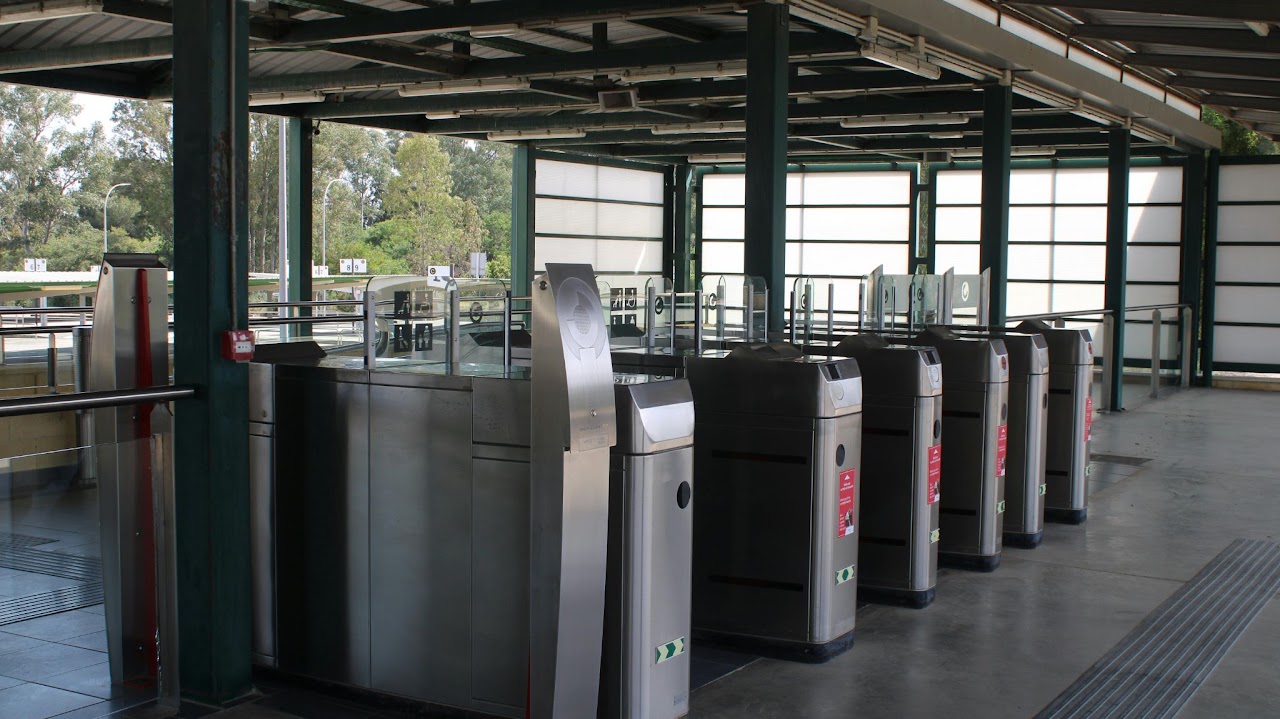
The announcement of a strategic partnership between FK Željezničar and Tixbase marks Grbavica Stadium’s entry into a new era. The introduction of digital ticketing, blockchain infrastructure and advanced access-control systems is not only a technological step forward; it also changes the way supporters will enter the stadium.
As a platform dedicated to supporter culture, COLORS examines the announced changes with particular attention to visitors’ rights, data privacy and the supporter experience.
What is blockchain ticketing?
Unlike a traditional paper or PDF ticket, a ticket in a blockchain-based system can be recorded as a unique digital entry. Such a system can make counterfeiting more difficult and enable ticket transfers to be tracked.
Possible solutions include:
- Dynamic QR codes — the code in the app changes periodically, making copied screenshots of tickets harder to use.
- Digital wallet — the ticket is linked to a user profile and can allow a controlled transfer to another person.
FK Željezničar has not yet published all technical details of the final system, so these should be viewed as possible models rather than confirmed features.
COLORS’ position: security without repression
COLORS believes technology should serve supporters, not become a tool for unjustified surveillance.
More efficient entry can reduce queues and congestion around the stadium. Controlled ticket sales and transfers can make unauthorised resale more difficult, while modern identification systems should focus on individual responsibility rather than collective punishment of entire stands.
Privacy protection — supporters’ rights
Moving to a digital system involves the processing of personal data. Supporters therefore need to be clearly informed in advance:
- which data are collected;
- for what purpose they are processed;
- how long they are retained;
- who can access them;
- whether the data are shared with other companies or institutions;
- how users can exercise their rights.
Data collected for ticket purchases and access control should not automatically be used for other purposes without an appropriate legal basis and clear notice to users.
COLORS also supports solutions that do not require invasive collection of biometric data, such as facial recognition, as a mandatory condition of stadium entry.
The challenge of digital inclusion
Modernisation must not exclude people who do not have a smartphone, the required app, a bank card or sufficient experience with digital services.
The club should therefore provide support for older supporters and other visitors who cannot use the new system independently. Away supporters must also be able to buy tickets easily and access their section quickly and on equal terms.
Risks that require answers
Before full implementation, several important questions need to be answered:
- What happens if the system fails or the stadium loses internet connectivity?
- Is there an alternative way to verify a ticket?
- Who is responsible in the event of a cyberattack or data breach?
- How are stadium-ban databases created and maintained?
- Is there a clear appeal procedure if a supporter is wrongly denied entry?
- Will legal and simple ticket resale or transfer be available?
Modernisation with a human face
COLORS supports the development of a modern Grbavica and the use of technology that can improve safety, entry flow and the overall visitor experience.
But modernisation must retain a human face. Technology should improve matchday access and protect supporters, not suffocate the atmosphere, make stadium entry harder or establish excessive control.
Supporters must not be treated merely as users of a new system. They need to be informed in good time and included in discussions about changes that directly affect them.
Source of the underlying announcement: FK Željezničar — “Historic Step Forward for FK Željezničar: Partnership with Tixbase Turns Grbavica into a High-Tech Platform and Regional Centre for Global Events”, 27 April 2026.